Why the In-Between Feels So Uncomfortable
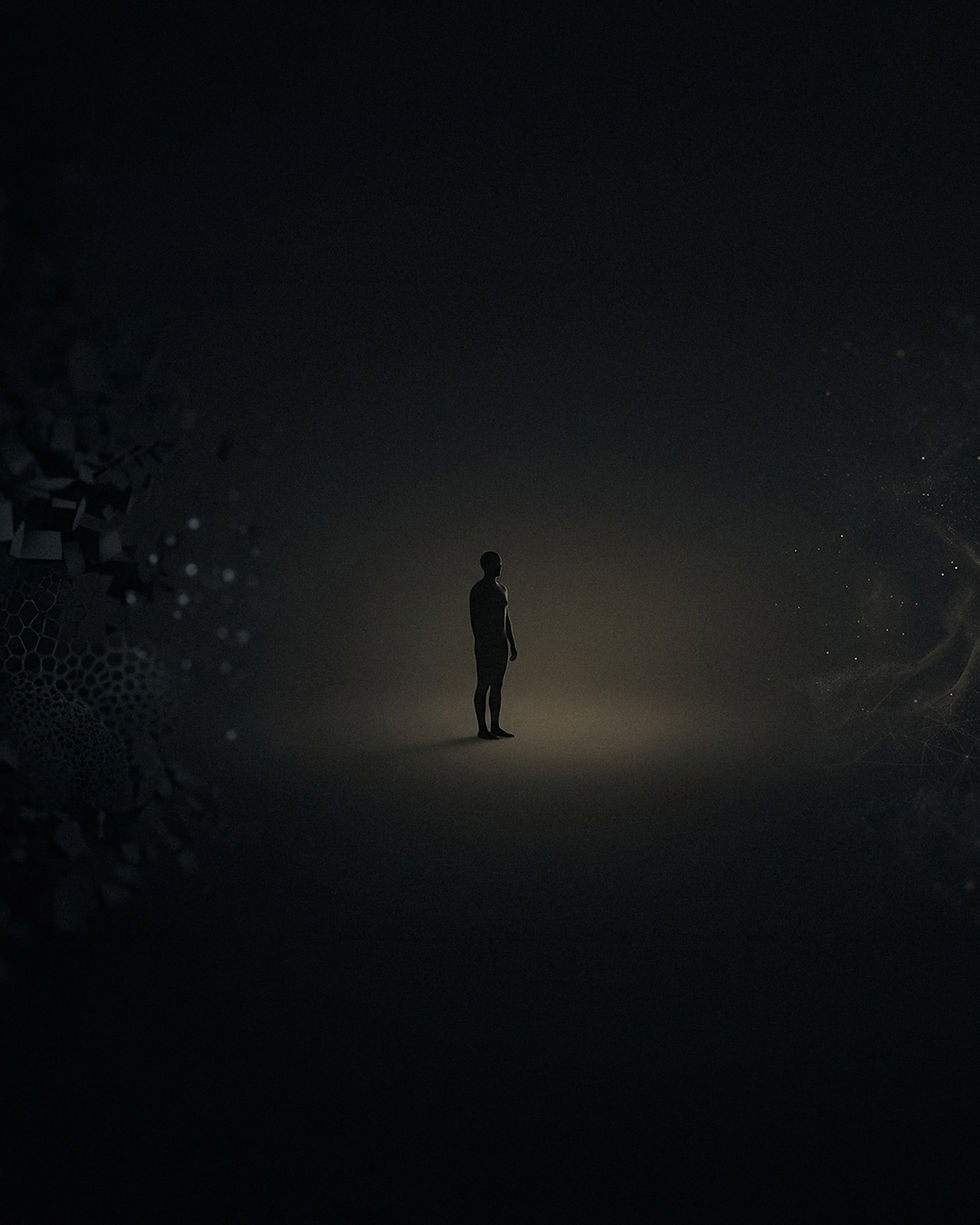
There are phases in life where nothing seems clearly defined. You are no longer where you used to be, but you are not yet where you want to go. This space — often called the “in-between” — can feel confusing, slow, and deeply uncomfortable. It may look like waiting for clarity, waiting for opportunities, waiting for healing, or simply waiting for life to move forward.
Most people struggle in this phase because it goes against how we are conditioned to think. We are taught to value movement, progress, and visible results. Waiting feels like stagnation. It can create self-doubt, anxiety, and a constant urge to “figure things out” quickly.
However, the in-between phase is not empty. It is a psychological and emotional transition period. Your mind and nervous system are adjusting to change, even if external results are not visible yet. The discomfort comes from uncertainty, but uncertainty is also where transformation begins.
Understanding that waiting is a part of growth — not a delay of it — can shift how this phase feels. It is not a pause in your life. It is a preparation for what comes next.
The Illusion of Being Stuck
One of the biggest challenges during the waiting phase is the feeling of being stuck. When progress is not visible, the mind often assumes that nothing is happening. This can lead to frustration, comparison, and a sense of falling behind.
But feeling stuck is often an illusion. Internally, a lot is changing. Your beliefs, emotional responses, and priorities may be shifting quietly. You may be letting go of old identities, patterns, or expectations without even realizing it.
The problem is that internal growth does not always have immediate external proof. It is subtle and gradual. Because of this, people often underestimate how much progress they are actually making.
This is why the waiting phase can feel so heavy. You are doing the invisible work of change while not yet seeing the results. Recognizing this can reduce the pressure to rush the process. It allows you to trust that something is moving, even when it does not look like it from the outside.
Learning to Sit With Uncertainty
Waiting forces you to face uncertainty, and uncertainty can feel uncomfortable for the nervous system. The mind naturally wants answers, direction, and control. When those are missing, it tries to fill the gap with overthinking, worry, or constant planning.
This is why many people struggle to simply “be” in the in-between. They may distract themselves, rush decisions, or force outcomes just to escape the discomfort of not knowing.
However, learning to sit with uncertainty is an important part of emotional growth. It teaches patience, flexibility, and trust. It allows you to stay grounded even when the future is unclear.
This does not mean doing nothing. It means staying present with what is available now instead of constantly chasing what is next. Small, consistent actions combined with patience can support this phase more than rushed decisions ever could.
Over time, the nervous system learns that uncertainty is not always dangerous. It becomes easier to stay calm without needing immediate answers.
The Quiet Transformation Within
The in-between phase is often where the deepest transformation happens. It may not look dramatic, but it is where clarity slowly forms. It is where you begin to understand what you truly want, rather than what you thought you should want.
This phase also builds resilience. You learn how to hold discomfort without immediately reacting to it. You develop patience and emotional strength. These qualities are not always visible, but they shape how you will handle what comes next.
When the next chapter begins, it often feels like it happened suddenly. But in reality, it was built during the waiting phase. The quiet moments, the uncertainty, and the internal shifts all contributed to that transition.
Instead of seeing waiting as wasted time, it can be seen as a necessary stage of alignment. It prepares you to step into the next phase with more clarity and stability.
In the end, the in-between is not something to escape as quickly as possible. It is something to move through with awareness. Because within that space, even when it feels slow, life is still unfolding — just in ways that are not immediately visible.



Comments