Understanding and Healing the Root of Daily Stress
Introduction: Why Your Nervous System Deserves Attention
Do you often feel exhausted, anxious, or overwhelmed—without a clear reason? Maybe you find yourself snapping at little things, struggling to fall asleep, or feeling like you're constantly "on edge." While these may seem like normal signs of stress, they often point to something deeper: a dysregulated nervous system.
Your nervous system is the control center of your body. It determines how you react to stress, how you rest, how you heal, and how connected you feel to the world. In today’s fast-paced, always-online life, many people are unknowingly living in a state of constant tension. The good news is that this can be reversed. You can retrain and calm your nervous system to restore balance—and in doing so, you can feel more present, more energized, and more alive.
What Is the Nervous System and Why Does It Matter?
The nervous system is a complex network that includes your brain, spinal cord, and nerves. It’s responsible for how you think, feel, move, digest food, respond to fear, and even how you heal. To make it simple, your nervous system has two main modes: the "fight or flight" state and the "rest and digest" state.
The fight-or-flight mode, officially called the sympathetic nervous system, kicks in when your body senses danger. It helps you respond quickly to threats. On the other hand, the parasympathetic nervous system calms your body down, allowing you to relax, digest, and recover. These two systems are supposed to work in harmony. But for many people today, the stress system is always turned on—and the rest system is barely active.
How Do You Know If Your Nervous System Is Out of Balance?
When the nervous system stays in high-alert mode for too long, it starts to affect every part of your health—physically, emotionally, and mentally. You might notice symptoms like fatigue that doesn't go away, difficulty sleeping, mood swings, digestive issues, or constant overthinking. Some people experience panic attacks, a sense of numbness, or emotional shutdowns. Others find themselves reacting too strongly to minor stress or feeling emotionally stuck.
These signs are often misunderstood as personality flaws or mental health problems. In truth, they’re often just symptoms of a body that feels unsafe. The nervous system has been on guard for too long—and it’s asking for help.
Why Does Nervous System Dysregulation Happen?
There are several reasons why your nervous system might be dysregulated. One major factor is unhealed trauma, especially from childhood. If you grew up in an unsafe, unpredictable, or emotionally cold environment, your nervous system may have learned to stay alert all the time. Even as an adult, your body can hold onto those early stress patterns.
Chronic everyday stress is another major trigger. Constant deadlines, relationship conflicts, financial worries, and exposure to bad news can wear down your nervous system over time. Poor sleep, lack of physical movement, unhealthy eating, and screen addiction can make it even worse. And when emotions like grief, fear, or anger have no safe outlet, they get stored in the body—further disrupting the balance.
How to Regulate Your Nervous System Naturally
The process of healing and regulating your nervous system doesn't have to be complicated. It’s about creating small, daily experiences of safety, calm, and connection. Your body and mind learn through repetition—so the more you practice these techniques, the more balanced your system becomes.
One of the easiest and most powerful tools is deep, slow breathing. When you take slow, controlled breaths, especially longer exhales, you activate the parasympathetic system. Just a few minutes a day can bring noticeable calm.
Another effective method is spending time in nature. Walking barefoot on grass, sitting under a tree, or simply observing the sky can help your body remember what safety feels like. Nature has a natural way of grounding the nervous system.
Cold exposure, such as a splash of cold water on your face or a short cold rinse at the end of a warm shower, can help reset your body’s stress response. It stimulates the vagus nerve, which plays a central role in calming the body.
Sound therapy also supports nervous system healing. Listening to soothing music, nature sounds, or specific calming frequencies can change your brainwave activity and help the body move out of stress mode.
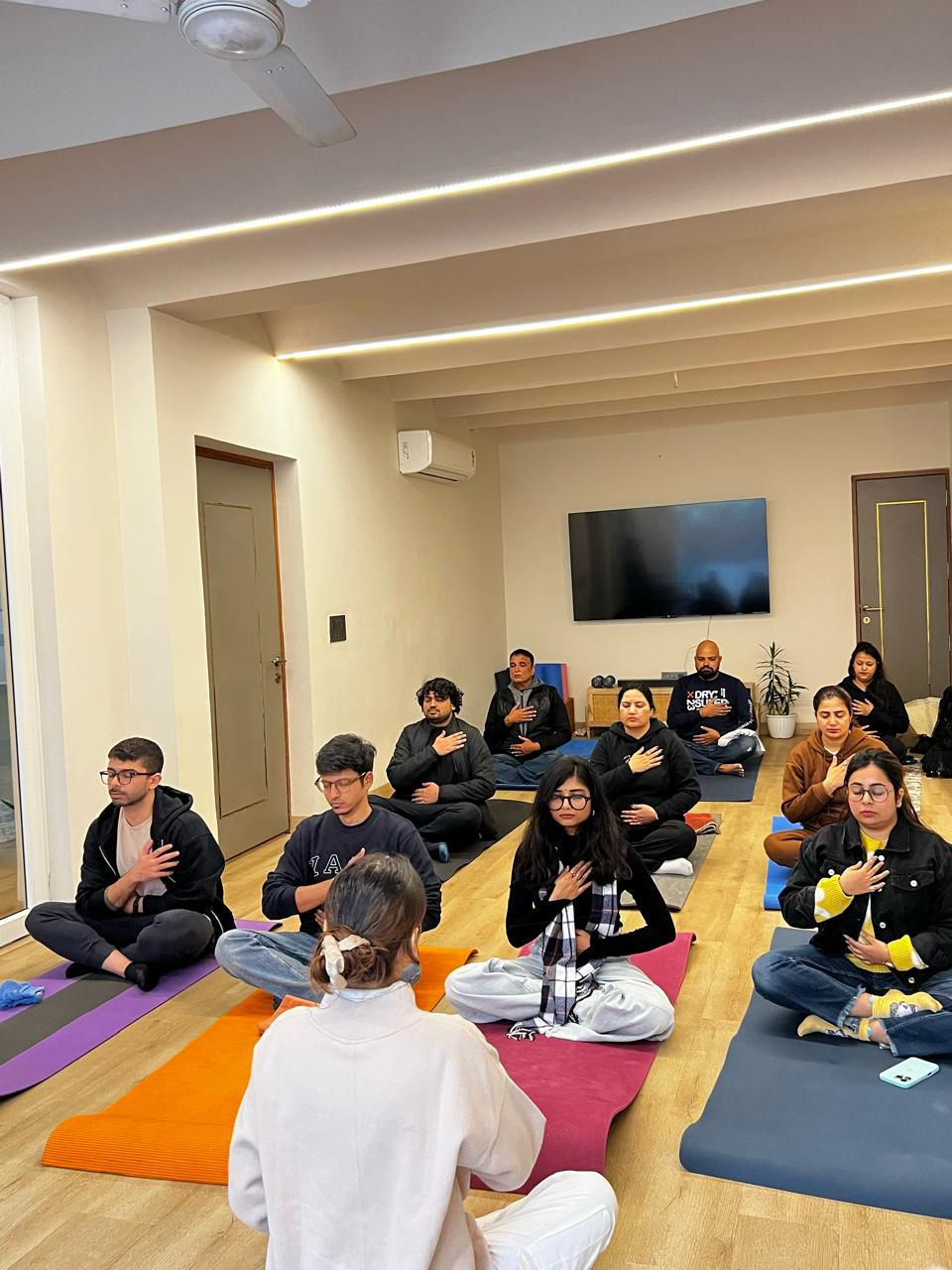
Touch is another key tool. Gentle self-touch—like placing a hand on your heart or belly, hugging yourself, or massaging your neck—can send calming signals to the brain. Even self-soothing actions like rocking, swaying, or humming help activate the vagus nerve and restore balance.
Visualization is also powerful. Imagining a safe, warm, peaceful place—even for just a few minutes—can reduce anxiety and shift your system toward rest mode. The brain doesn't fully differentiate between real and imagined experiences, so creating a mental safe space can have real physical effects.
And of course, rest is essential. This doesn’t just mean sleep. It means giving yourself quiet time without stimulation. Sitting quietly, closing your eyes, or lying down with gentle music can provide the body with moments of deep reset.
It’s a Daily Practice, Not a One-Time Fix
Healing your nervous system takes patience and consistency. You don’t need to do everything at once. Start with one or two practices that feel manageable and safe. Over time, your body will begin to respond—and you’ll start to feel more energy, emotional stability, and peace.
This is not about becoming perfect or stress-free. It’s about helping your body feel safe enough to rest, connect, and heal. And when your body feels safe, your mind becomes clearer, your emotions feel lighter, and your life becomes more joyful.
When to Seek Help
Sometimes, especially if you've experienced trauma or long-term stress, self-help tools may not feel like enough. That’s okay. There’s no shame in asking for support.
At Haal Chaal with Arzoo, we offer a unique, integrated healing approach that combines psychosomatic psychotherapy, naturopathy, and energy healing. We understand that healing isn’t just about the mind or body—it’s about the whole person.
Through personalized care, we help people release stored emotional pain, support their body’s natural healing, and restore energetic balance. Whether you're dealing with anxiety, trauma, burnout, hormonal imbalances, or gut issues, we work gently and holistically to bring you back to harmony.
Conclusion: Your Calm Is Your Power
You were not meant to live in constant survival mode. Your body is built for healing, connection, and peace. With the right tools and support, you can shift out of stress and back into balance.
So take a deep breath. Slow down. Your body is not broken—it’s trying to protect you. And now, it’s time to help it feel safe again.



Comments